
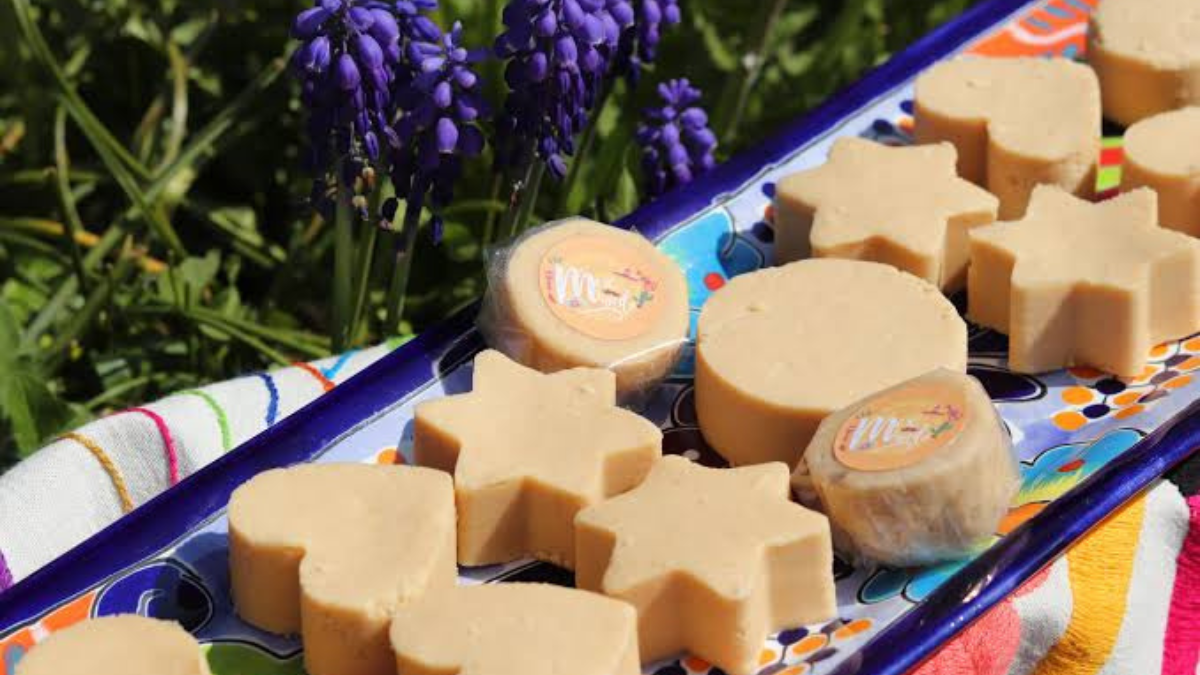
Mazapan: What It Is, How It Tastes, and How to Enjoy This Traditional Sweet
Mazapan is a small, sweet treat that has a special place in Mexican food culture. It is known for its rich peanut flavor, soft texture, and crumbly shape. At first glance, it may look like an ordinary round candy, but one bite reveals why so many people enjoy it. It is sweet, nutty, and delicate enough to break apart with very little pressure.
For many people, mazapan is connected to childhood memories, family gatherings, school snacks, and trips to local candy shops. It is also becoming familiar to people who enjoy trying traditional sweets from different countries. Although the name may sound unusual to someone who has never tried it, the candy itself is simple and easy to understand.
Mazapan is also a useful ingredient for home cooks. It can be eaten straight from the wrapper, crumbled over ice cream, mixed into dessert recipes, or used to add a peanut flavor to homemade milkshakes.
If you are curious about what mazapan is made of, how it differs from other sweets, or how to enjoy it without making a mess, this guide covers the practical details.
What Is Mazapan?
Mazapan, often spelled mazapán in Spanish, is a traditional sweet made in several countries. The ingredients and preparation methods vary by region, but the Mexican version is especially well known for using peanuts and sugar.
A popular commercial example is De la Rosa mazapan, a round candy sold in a thin wrapper. It is usually made from ground peanuts and sugar pressed together into a compact disc. The mixture does not need to be chewy or sticky to hold its shape. Instead, it forms a delicate candy that crumbles easily.
Traditional Spanish marzipan is different. It is generally made with almonds and sugar, while the familiar Mexican peanut version uses peanuts as its main ingredient.
This distinction matters when buying mazapan for the first time. Someone expecting the smooth, almond-based texture of European marzipan may be surprised by how easily Mexican mazapan breaks apart.
The simplest way to describe Mexican mazapan is as a sweet peanut candy with a dry, powdery texture that melts into a rich nutty taste as you eat it.
What Does Mazapan Taste Like?
The flavor of mazapan is mainly sweet and nutty. Because peanuts are the central ingredient in many Mexican versions, the taste resembles sweetened roasted peanuts rather than chocolate or caramel.
The texture is just as important as the flavor. A piece of mazapan can feel firm while it is still inside its wrapper, but it often breaks into small crumbs as soon as you handle it.
When eating it, you may notice three things:
- A strong peanut flavor: The ground peanuts give the candy its familiar roasted, nutty taste.
- A noticeable sweetness: Sugar balances the natural flavor of the peanuts.
- A crumbly texture: The candy breaks apart easily instead of stretching or chewing like caramel.
One practical tip is to open the wrapper carefully over a plate. Pressing the candy too hard before removing it can turn a neat round piece into a pile of crumbs.
If you prefer less sweet desserts, try using a small amount of mazapan as a topping instead of eating several pieces on their own. Its concentrated sweetness can add plenty of flavor without requiring a large serving.
What Ingredients Are Used to Make Mazapan?
The ingredients depend on the brand and recipe, but Mexican peanut mazapan usually contains two main components: ground peanuts and sugar.
Some recipes and commercial products may include additional ingredients to improve texture, consistency, or shelf life. The product label is the best place to check the exact ingredients.
Peanuts
Peanuts provide most of the candy’s flavor and give it a rich, nutty character. They are ground finely enough to mix with the sugar and form a compact candy.
The amount of peanut oil naturally present in the mixture also affects its texture. If the ingredients are ground and combined correctly, the mixture can hold together while remaining easy to crumble.
Sugar
Sugar provides sweetness and helps bind the ground peanuts into the familiar candy shape.
The balance between sugar and peanuts affects the final result. Too much sugar can make a homemade version taste overly sweet, while an unsuitable ingredient ratio may cause the candy to fall apart before it can be shaped.
Other ingredients
Some products may contain flavorings or other ingredients. Always read the package if you need to avoid a particular ingredient.
Mazapan is not automatically suitable for every diet simply because its ingredient list is short. It can contain substantial amounts of sugar, and peanut allergies are an important safety concern.
How Is Mazapan Made?
Making mazapan at home is possible with a food processor and a few basic ingredients. The goal is to create a fine mixture that can be pressed into shape without becoming too oily or too loose.
A homemade version may not have exactly the same texture as a commercial candy, but it can be a useful way to experiment with sweetness and flavor.
Ingredients
For a small test batch, prepare:
- 1 cup of finely ground roasted peanuts
- 1/2 cup of powdered sugar, adjusting to taste
- A little extra powdered sugar if the mixture is too sticky
These measurements are a starting point rather than a guaranteed commercial-style formula. The final texture depends on how finely the peanuts are ground and how much natural oil they contain.
Step 1: Prepare the peanuts
Use plain roasted peanuts without added salt or strong seasonings. If you are starting with whole peanuts, remove the skins if desired.
Allow freshly roasted peanuts to cool before processing them.
Step 2: Grind the ingredients
Place the peanuts in a food processor and pulse them until finely ground. Add the powdered sugar and pulse again until the ingredients are evenly mixed.
Avoid running the processor continuously for too long. Peanuts release oil as they are processed, and excessive processing can turn the mixture into peanut butter.
Step 3: Check the texture
Take a small amount of the mixture between your fingers and press it gently.
It should hold together when compressed. If it falls apart immediately, process it briefly again or adjust the mixture with a small amount of powdered sugar. If it becomes greasy, stop processing and let the mixture rest before testing it again.
Add ingredients gradually rather than making large adjustments all at once.
Step 4: Shape the candy
Place the mixture into a small round mold or press it into a flat disc between two pieces of parchment paper.
A small measuring cup or the flat bottom of a glass can help create an even shape. Press firmly enough to compact the mixture, but do not expect it to behave like dough.
Step 5: Let it rest
Remove the shaped candy carefully and place it on a plate or tray. Let it rest in a cool, dry place until it feels stable enough to handle.
Store homemade mazapan in an airtight container and follow safe food-storage practices. Because this version is homemade and does not contain the same controlled formulation as a commercial product, its shelf life may differ.
Common Mistakes When Making Homemade Mazapan
The first attempt may not produce perfectly round candies, and that is normal. A few small adjustments can make the process easier.
Grinding the peanuts for too long: This is one of the easiest mistakes to make. If the mixture becomes oily, the candy may lose its powdery texture. Use short pulses and check the consistency frequently.
Adding too much sugar at once: More sugar does not always solve a texture problem. It can make the candy excessively sweet without improving its structure. Add small amounts and test the mixture between adjustments.
Pressing the candy too lightly: Loose crumbs will not stay together when removed from a mold. Apply even pressure so the ingredients form a compact disc.
Expecting a chewy texture: Mexican peanut mazapan is generally meant to crumble. Trying to make it behave like caramel or cookie dough can lead to unnecessary changes to the recipe.
Using flavored peanuts: Honey-roasted, heavily salted, or seasoned peanuts can produce a result that tastes quite different from traditional sweet peanut candy. Start with plain roasted peanuts if you want a familiar flavor.
Popular Ways to Eat Mazapan
One reason mazapan remains appealing is that it can be enjoyed in several ways without complicated preparation.
1. Eat it as a simple snack
The traditional approach is also the easiest. Remove the wrapper, break off a small piece, and enjoy it with tea, coffee, or a glass of milk.
If the candy is very crumbly, place it on a plate before opening the wrapper fully. This small habit can save you from cleaning peanut-sugar crumbs off your desk or clothes.
2. Add it to ice cream
Mazapan works well as a topping for vanilla, chocolate, or coffee ice cream.
Crumble half a candy over a small bowl of ice cream just before serving. The crumbs add a sweet peanut flavor and a soft, sandy texture.
Avoid adding it too early if you want to preserve the texture. Moisture from melting ice cream can soften the crumbs.
3. Make a mazapan milkshake
A mazapan milkshake is a simple dessert that can be prepared in a regular kitchen blender.
You will need:
- 1 cup of milk
- 2 small scoops of vanilla ice cream
- 1 mazapan candy
- A few ice cubes, if desired
Place the milk and ice cream in the blender. Break the mazapan into smaller pieces and add it to the mixture. Blend until smooth, then taste before adding any extra sweetener.
The candy already contains sugar, so additional syrup is often unnecessary. If the drink is too thick, add a little more milk.
For a stronger peanut flavor, crumble a small amount of mazapan on top rather than blending in another full candy.
4. Use it as a dessert topping
Mazapan crumbs can add flavor to brownies, cupcakes, cookies, and chocolate pudding.
For brownies, sprinkle a small amount over the top shortly before serving. For cupcakes, combine the crumbs with a simple buttercream frosting or use them as a finishing decoration.
If you plan to bake mazapan into a recipe, test a small batch first. Sugar and peanut content can affect sweetness and texture, so a direct substitution for flour, nuts, or another baking ingredient will not always work.
5. Mix it into yogurt
For a quick dessert, crumble a small amount of mazapan over plain yogurt and add sliced banana or strawberries.
Plain yogurt provides a tangy contrast to the candy’s sweetness. This is a convenient option for someone who wants a quick snack without preparing a full dessert.
Keep the portion modest because the candy can add a considerable amount of sugar to an otherwise simple bowl of yogurt.
How to Store Mazapan Properly
Storage matters because mazapan can crumble or change texture when exposed to moisture, heat, or rough handling.
Unopened commercial candies should be kept according to the instructions on the package. Store them in a cool, dry place away from direct sunlight and strong heat.
Once opened, keep the candy in an airtight container if you do not plan to eat it immediately. This helps protect it from humidity and unwanted odors.
If you live in a hot climate, avoid leaving mazapan in a parked car or beside a sunny window. Heat may affect the texture and quality of the candy.
Homemade mazapan should also be stored in a clean, airtight container. Use fresh ingredients, keep it away from moisture, and refrigerate it if your recipe or storage conditions require it. Let chilled candy come to a suitable serving temperature before eating if you prefer a softer texture.
Always check commercial packaging for its best-before date and storage recommendations. Discard candy that shows signs of spoilage, contamination, or an unusual odor.
Is Mazapan Healthy?
Mazapan can be enjoyed as an occasional sweet, but it is best treated as candy rather than a health food.
Peanuts naturally provide protein, fat, and several nutrients. However, the nutritional value of the finished candy also depends on its sugar content and serving size.
A few practical points are worth remembering.
It contains peanuts. Anyone with a peanut allergy should avoid peanut-based mazapan. Check the label for allergen information and possible cross-contact warnings.
It contains sugar. Eating several pieces in one sitting can add up quickly. If you are monitoring your sugar intake, check the nutrition label and consider a smaller serving.
Portion size matters. The candy is small, which can make it easy to eat more than intended. Putting one or two pieces on a plate rather than keeping a whole packet beside you can help you keep track.
Recipes vary. Do not assume that every mazapan has the same calorie count or ingredient ratio. Use the nutrition information for the specific product you buy.
For most people who can safely eat peanuts, mazapan can fit into an ordinary diet as an occasional treat. People with specific medical dietary requirements should follow the guidance appropriate to their needs.
How to Choose Good-Quality Mazapan
If you are buying mazapan for the first time, a few simple checks can help you choose a suitable product.
Start by reading the ingredient list. A traditional peanut version should clearly identify peanuts and sugar among its main ingredients.
Next, inspect the packaging. It should be intact, clean, and properly sealed. Avoid products with damaged wrappers or unclear storage information.
Check the date on the package, especially if you are buying from a small shop or purchasing several pieces at once.
Finally, consider how you plan to use the candy. Individually wrapped pieces are convenient for snacks, while larger packages may be useful if you intend to make milkshakes or dessert toppings.
If you have never tasted mazapan before, buying a small quantity is a sensible way to decide whether you enjoy its sweetness and crumbly texture before purchasing a larger pack.
Mazapan Compared With Marzipan
The names mazapan and marzipan sound similar, but the sweets can differ considerably.
Mexican mazapan is commonly made from peanuts and sugar. It usually has a dry, crumbly texture and a strong peanut flavor.
Traditional European marzipan is generally made from ground almonds and sugar. Depending on the recipe, it can be smoother and more pliable, making it suitable for shaping decorations for cakes and pastries.
The two sweets can sometimes be used in different dessert recipes, but they are not always interchangeable.
For example, almond marzipan may be easier to shape into decorative flowers, while Mexican mazapan is particularly useful as a crumbly topping or a flavoring for milkshakes.
If a recipe specifically calls for one of these sweets, check which ingredient the author intends before making a substitution. The difference in nuts, moisture, and texture can change the finished result.
Where Can You Buy Mazapan?
Mazapan is available in many Mexican grocery stores, Latin American food shops, and online specialty stores. Some international supermarkets also carry it in their imported candy sections.
In areas where Mexican products are less common, online retailers may offer individually wrapped candies or multipacks. Before ordering, check the product description, ingredient list, shipping conditions, and seller information.
You can also look for the candy in specialty confectionery shops that stock imported sweets. If you are unsure whether a shop carries it, asking for Mexican peanut mazapan or De la Rosa mazapan may make the search easier.
Remember that a similarly named almond-based marzipan is not necessarily the same product.
Final Thoughts on Mazapan
Mazapan is a good example of how a simple combination of ingredients can create a memorable sweet. Its peanut flavor, easy-to-break texture, and convenient size make it enjoyable on its own, while its crumbly consistency gives home cooks plenty of ways to use it in desserts.
If you are trying it for the first time, start with a single piece and pay attention to its texture. You might prefer eating it straight from the wrapper, or you may find that it works better crumbled over ice cream or blended into a milkshake.
For anyone who enjoys experimenting in the kitchen, a small homemade batch is another worthwhile option. With finely ground peanuts, sugar, careful processing, and gentle shaping, you can explore the basic technique without needing specialized equipment.
The best way to enjoy mazapan is to keep things simple, choose a product that suits your taste, and use it in ways that make sense for your kitchen. Sometimes a small, traditional candy is all you need to turn an ordinary snack into something a little more interesting.
Also Read: pressvibepulse com